June-July 2012
Why Namibia?
In 2012, I was a university student taking my prerequisite courses for a future career in nursing. I was going through the motions of school, but felt the pull to travel. I felt challenged since I was determined to pay for my studies without my parents’ assistance and was only working part time as an office assistant on campus.
One day, out of curiosity, I decided to attend a study abroad fair on campus and everything changed. I wasn’t interested in taking a full year abroad, but was happy to discover there were shorter programs I could participate in over the summer. I left that fair with an overwhelming number of brochures, but one place called my name: Namibia.
The Country I’d Never Heard of Before
I went through the webpage, I looked up the country, and I couldn’t get this program out of my mind. The program was through Lincoln University and was called “Study Abroad to Africa.” It offered a service learning opportunity. Instead of sitting in a lecture hall, the aim of the program was to place students at sites related to their college major.
I had never heard of Namibia, really. I remember doing a lesson on the African continent in my elementary school language arts class and mapping out all of the countries, but Namibia wasn’t one that was studied in detail, so after that lesson I forgot of its existence.
Namibia is in southwestern Africa, north of South Africa and south of Angola. Botswana is to the east. It is known for the Namib desert and Etosha National Park. I was intrigued. The pull to know the unknown grew strong, and I applied for the program.
After being accepted, I had to go through the process of getting a student visa while raising $6,000 USD. I also had to attend a mandatory travel appointment at the student health clinic. While all of this was going on, I anxiously waited to learn the location of my placement site.
When I attended my travel appointment at the clinic, the nurse looked at me through worried eyes. She even suggested I consider canceling my trip. She didn’t understand how I was so calm when I told her I had no idea where in Namibia I would be staying. She was convinced I would get malaria or end up a victim of crime. This response is part of the reason I enjoy sharing my trips with others. I wish for others to see that there is good in most people, and we can all connect regardless of where in the world we come from.
At the same time, I did understand the worry, as I was a 19 year old, with such little experience outside of my hometown and college campus. However, I was determined to make this trip work, and to do it safely. I knew I would receive information on my placement as the departure date arrived. From my research I also knew Namibia was a safe country.
Arrival in Namibia
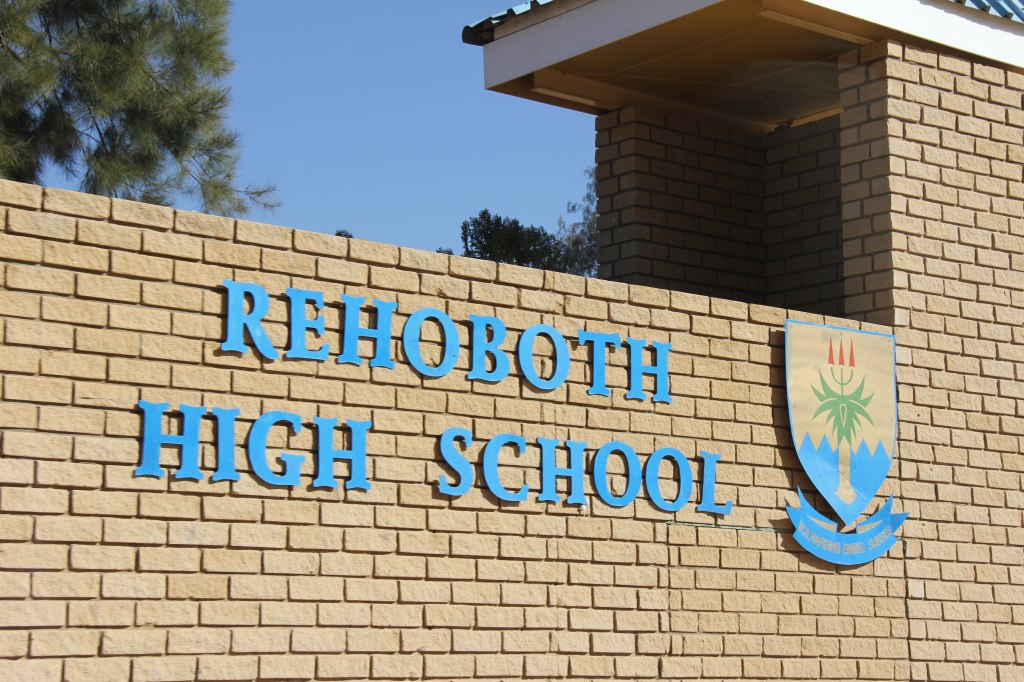
A few days before my departure, I received an email. I would be working at a medical center in Rehoboth, Namibia.
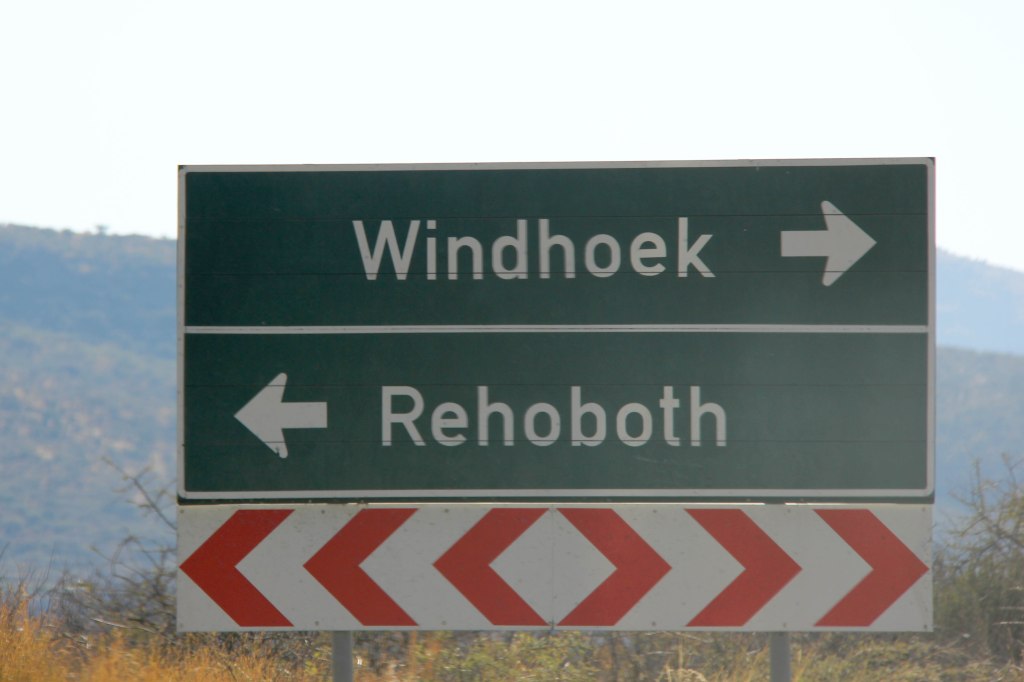
I began my journey to Windhoek. I flew from Seattle to Frankfurt, then to Johannesburg, before continuing on to my final destination of Windhoek, Namibia.
Upon arrival in Windhoek, the capital of Namibia, I met two other women who were also participating in the program. They were both in their 30s, but we connected easily. We stayed together at a hotel school in Windhoek for a few days before we separated into our placement sites.

At the Polytechnic of Namibia
During one of our shared dinners, we met a group of students who were also staying at the same hotel school. We all joined tables and got to know each other during an evening of laughter and friendship. In fact, twelve years later, I still keep up with a couple of people from this meal. This encounter was actually a highlight of my trip. It was so easy and natural to connect with strangers I had just met. I felt happy, safe, and completely at ease.
This group and I even celebrated a birthday. We made an impromptu cake and candles using a salt shaker and toothpicks and sang happy birthday. I was learning how easy it is to connect and relate to people anywhere in the world.
However, I will add that I did learn a lesson in trusting my gut, especially when solo. There were two men in the group who were interested in more than friendship. They were both older than me and insisted on swapping contact information. Today, I am a more confident person and traveler and I would have known to say no if I wasn’t comfortable. Back then, I was overly concerned with people’s perception of me and being nice, so I shared my Namibian phone number and social media information with both of them. However, after a few polite messages I learned that’s its okay to just say no and that it’s not always necessary to please people. I still highly enjoyed my time spent sharing a meal with this group.
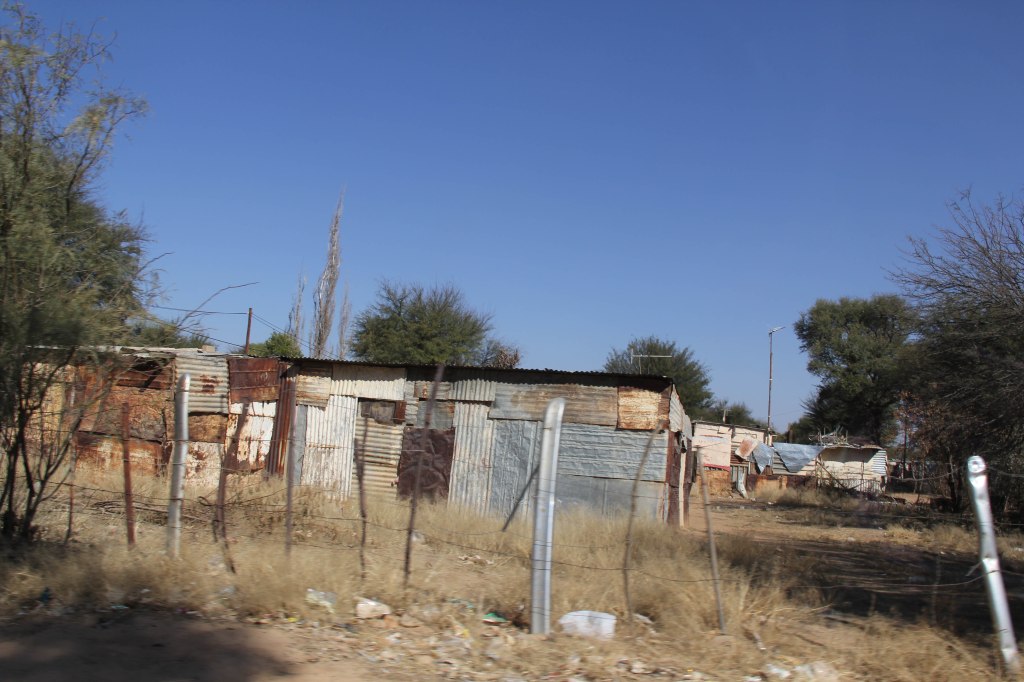
After a few days, I was driven to the place that would be my home for the next three weeks. I would be staying at a B&B, and the walk to the clinic was about one mile each way. Rehoboth is divided into blocks. I stayed in block D, which is the wealthier part of Rehoboth. My placement was in block B, the town center.
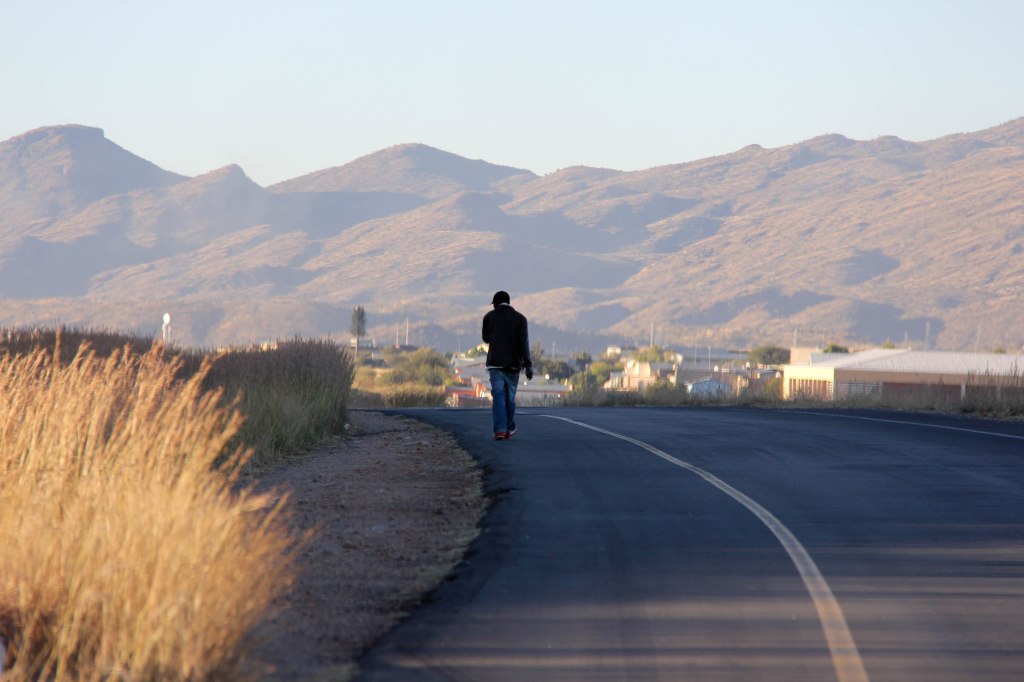
I had to walk across the main highway to get to the clinic. Sometimes I had to cross one lane and wait in the middle of the road until the other lane cleared. Pedestrians did not have the right of way here. I learned how to cross the road by following the children on their walk to school, but eventually I got the hang of it.
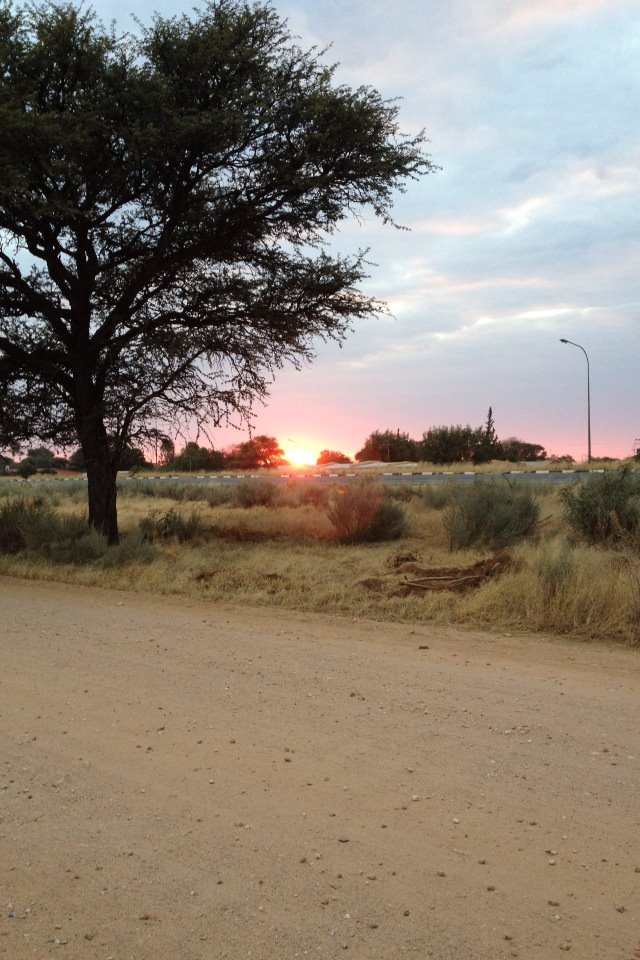
The sunrise during my walk to the clinic.
What did I do at the clinic?
I didn’t get to provide patient care because I was not a nurse yet. In fact, although accepted into the nursing program I applied to, I wasn’t even an official nursing student yet.
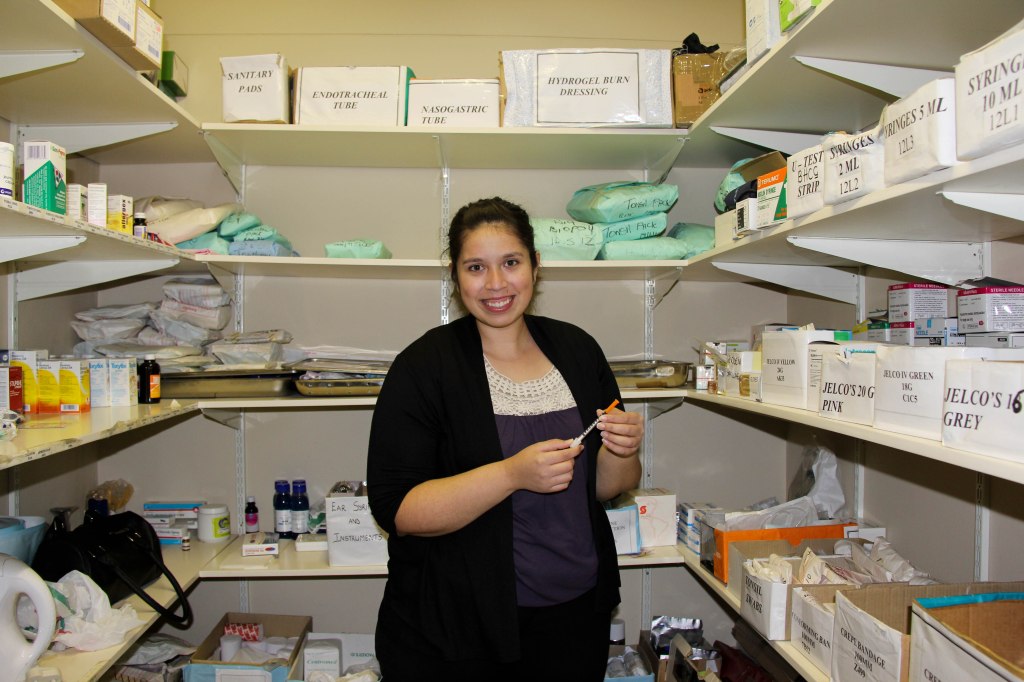
However, I found ways to keep myself busy cleaning, restocking, making gauze packs to be sterilized, and other similar tasks around the clinic. I also was fortunate to have observational learning opportunities such as watching surgical procedures, IV placement and medication administration, and even visited the inpatient pediatric ward. This was my first time I was able to see patient care with my own eyes.
There was a patient at the clinic who really stuck out to me. He tried to teach me Afrikaans (ek scrif die pen op die papier, meaning I write with the pen on the paper) and truly supported me and my nursing career. He even brought some treats to share with me and the staff at the clinic, and I still remember his kindess and encouragement to this day. He was the first of many patients that would remind me why I chose this field.

Forming bonds across oceans
The family with which I stayed had no obligation other than provide a place to stay. However, on the weekends they invited me to lunch, on trips to the city, and to family events. I was even with them through challenges, as their family member became sick during my time there. I became very close with this family, and I learned that even if solo in a foreign place, I wasn’t alone.
Goodbyes are difficult
After my three weeks at the clinic, it was time to say goodbye to the nurses and the family with which I stayed. The three weeks flew by and I wasn’t ready to leave, but the time had come. I wrote a paper about my experience and would soon be holding a presentation to the instructor as well as a panel from the Polytechnic of Namibia.
Television?
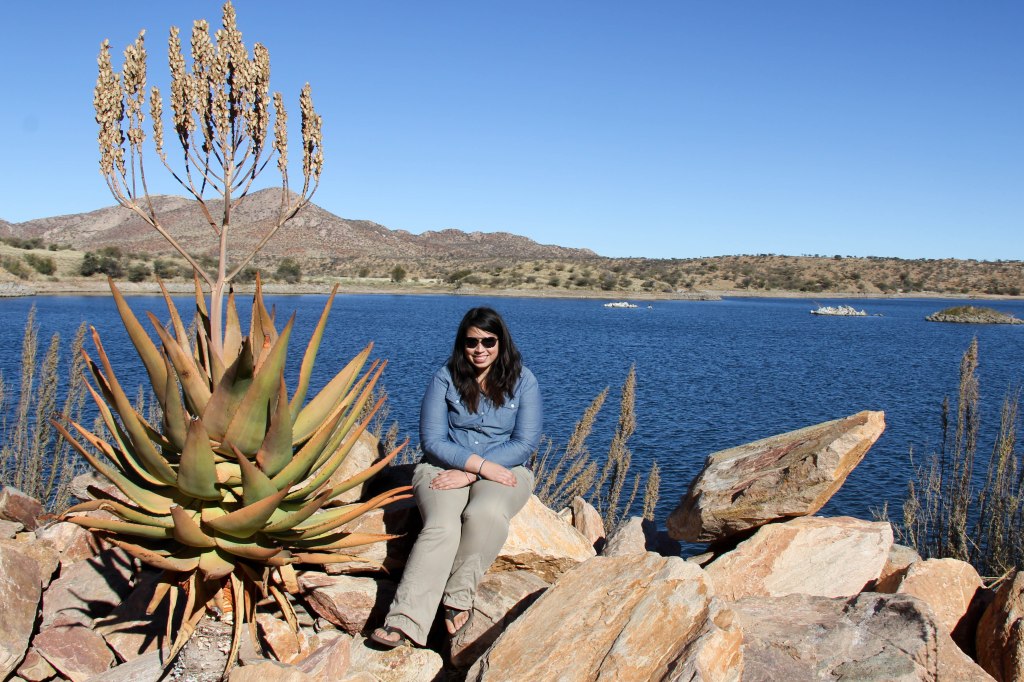
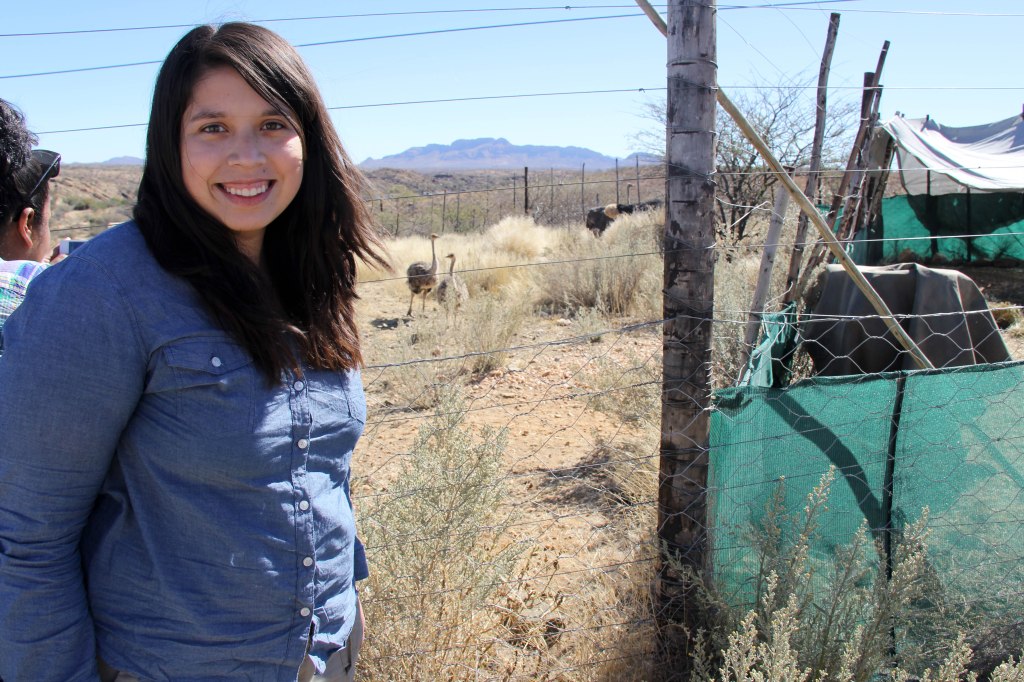
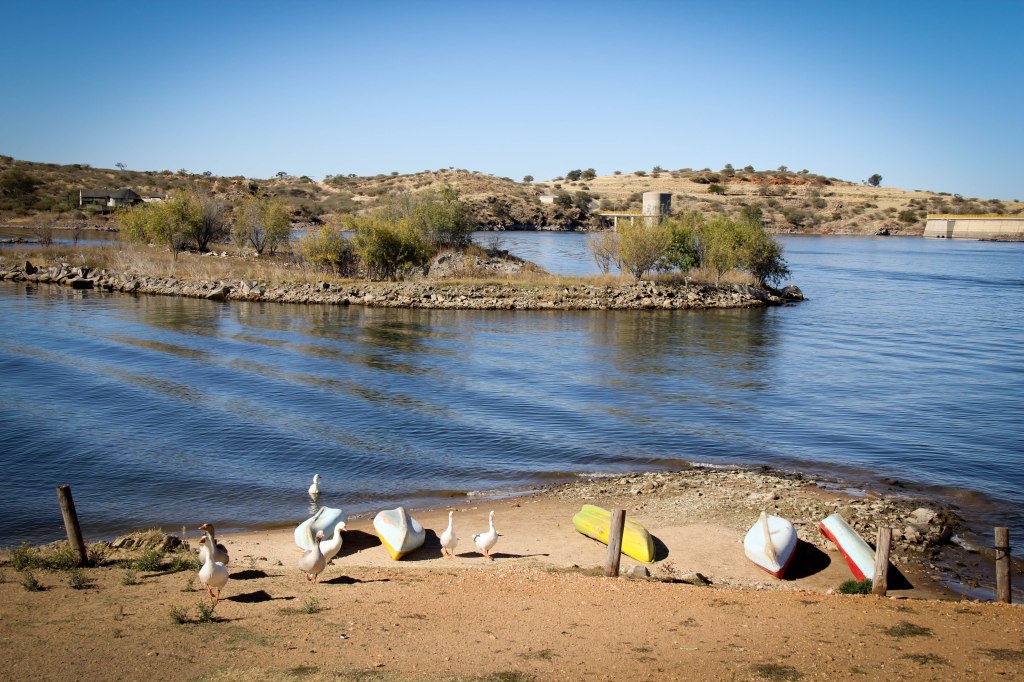
Before leaving, my instructor, one of the other students, and I went to the Oanob Dam for lunch. There is a resort here and water activities. This was actually my third trip here. I first visited with my instructor, then with the family I stayed with, and finally one more stop before departure. During this stop there was a film crew for the Namibian Broadcasting Corporation (NBC) and we ended up doing an interview for Namibian TV! I never saw the clip, but leave it to me to end up on television in another country!
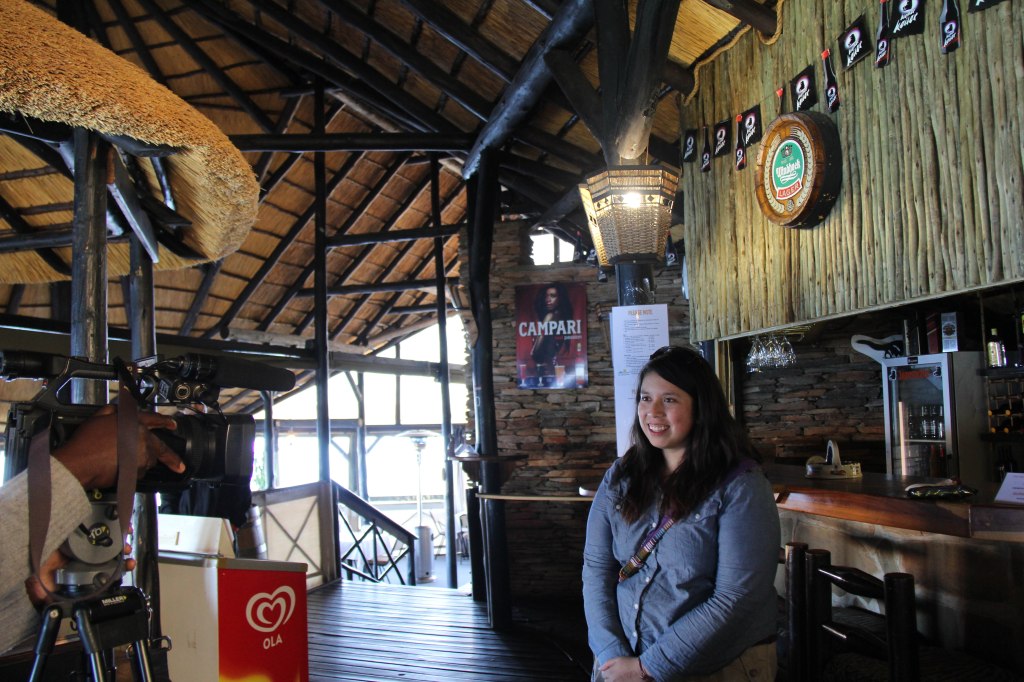
Interviewing for NBC. Below are photos at the dam.


Back to the City
Back in Windhoek, I reconnected with the instructor leading the program as well as the other two women. It was fun to learn about their experiences, which were vastly different than my own. We all three has such an incredible time. We also met a new student who would be staying in Nambia and the Polytechnic for an entire year.
The Value of Education
My presentation was successful, although the director at the Polytechnic was very harsh. We were invited to dinner at his home and he had a lot of constructive criticism regarding the three of our presentation skills. It was an eye opener to how the United States education system is almost taken for granted and is not as strict as it is in other countries. Although my instructor gave me full credit, I took the advice from the university director very seriously and learned to value my educational opportunities, and to always put full effort in assignments I was submitting to my instructors.
Time to be a Tourist
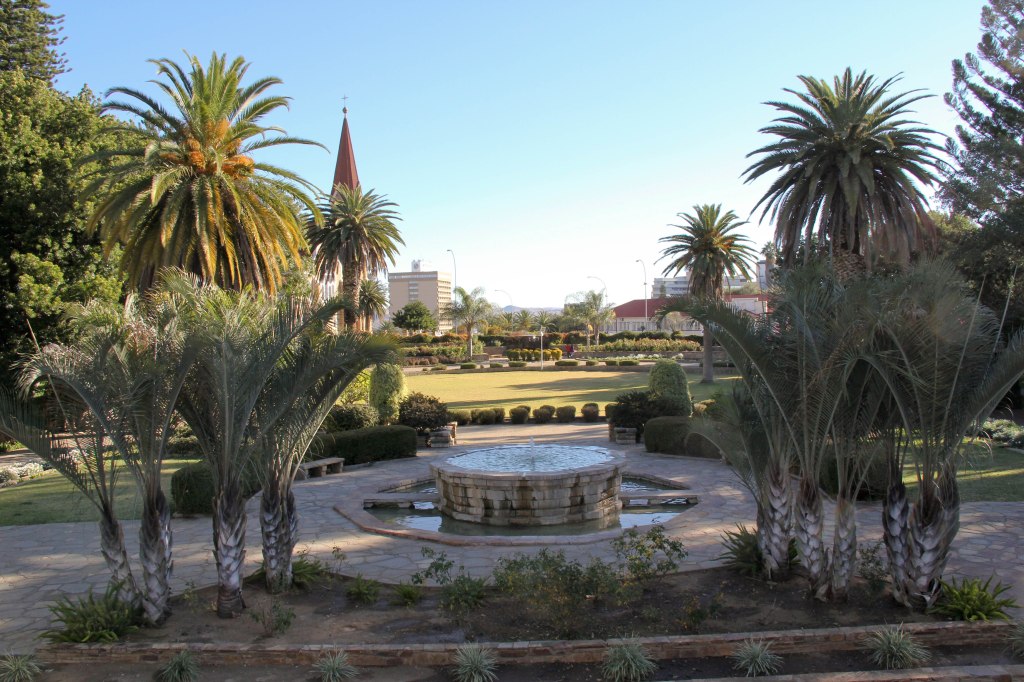
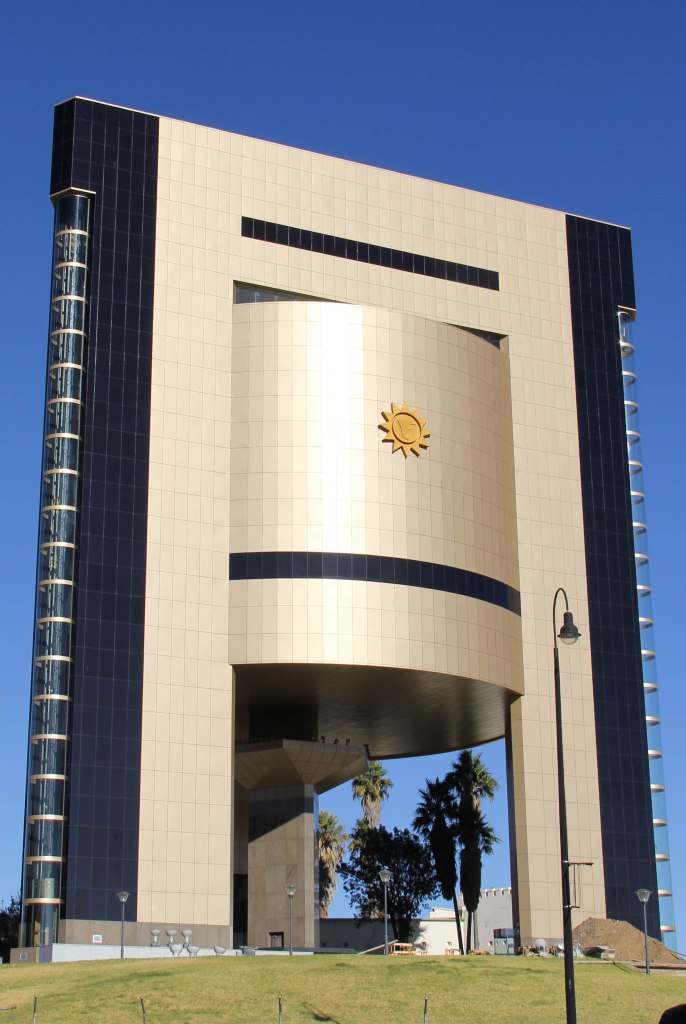
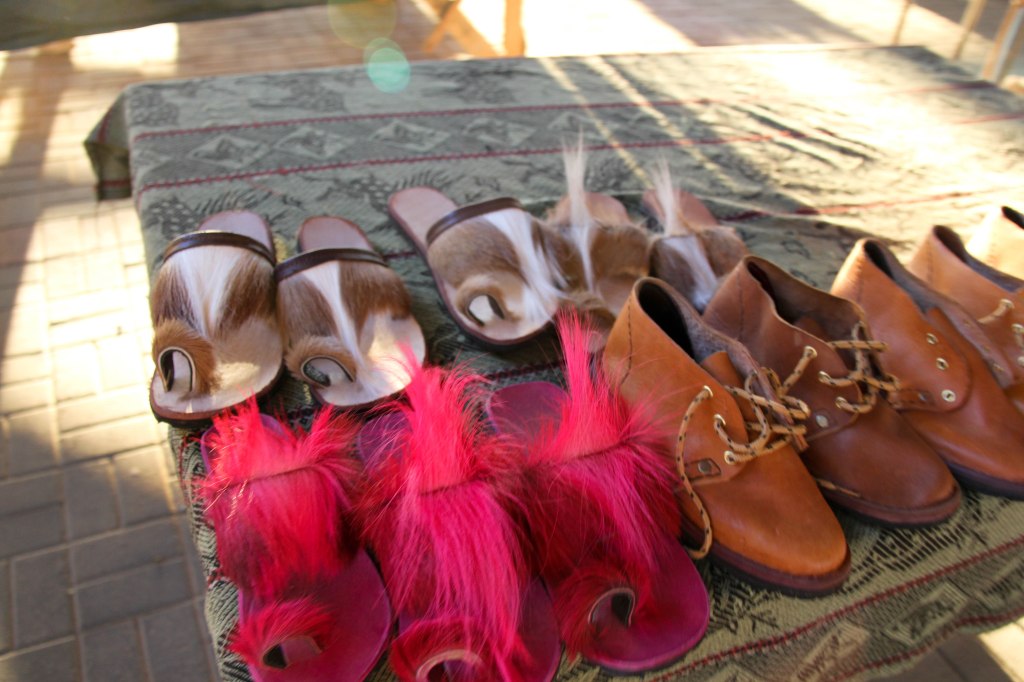
The rest of our time in Namibia was spent exploring Windhoek and surrounding areas. We walked the streets of Windhoek and met local Himba women. We bought souvenirs, and did typical tourist activities.

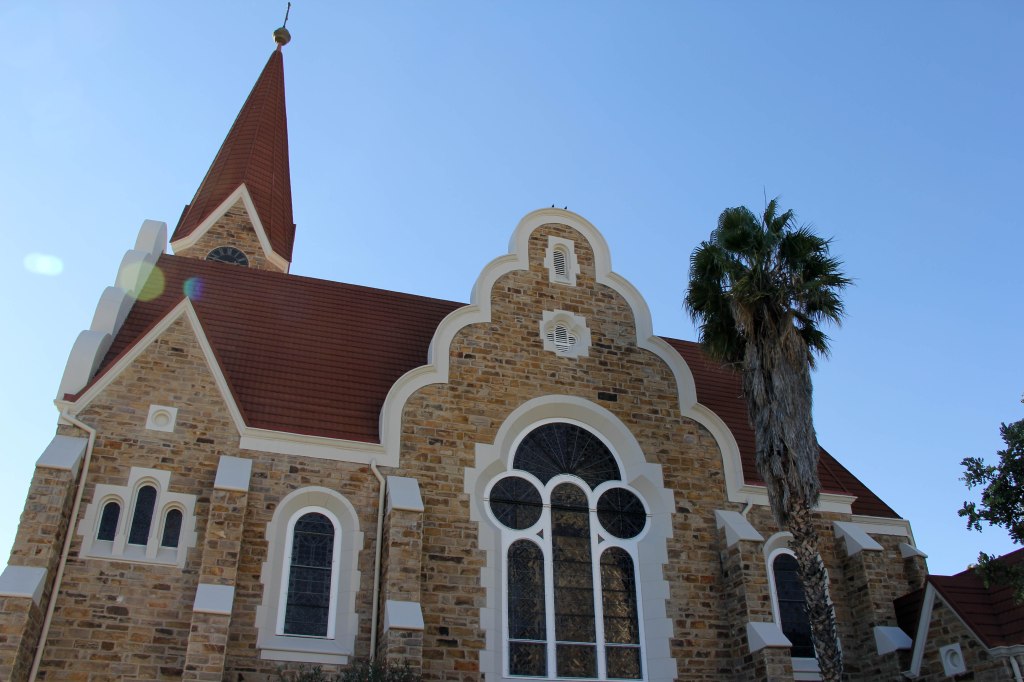
Okapaka Lodge
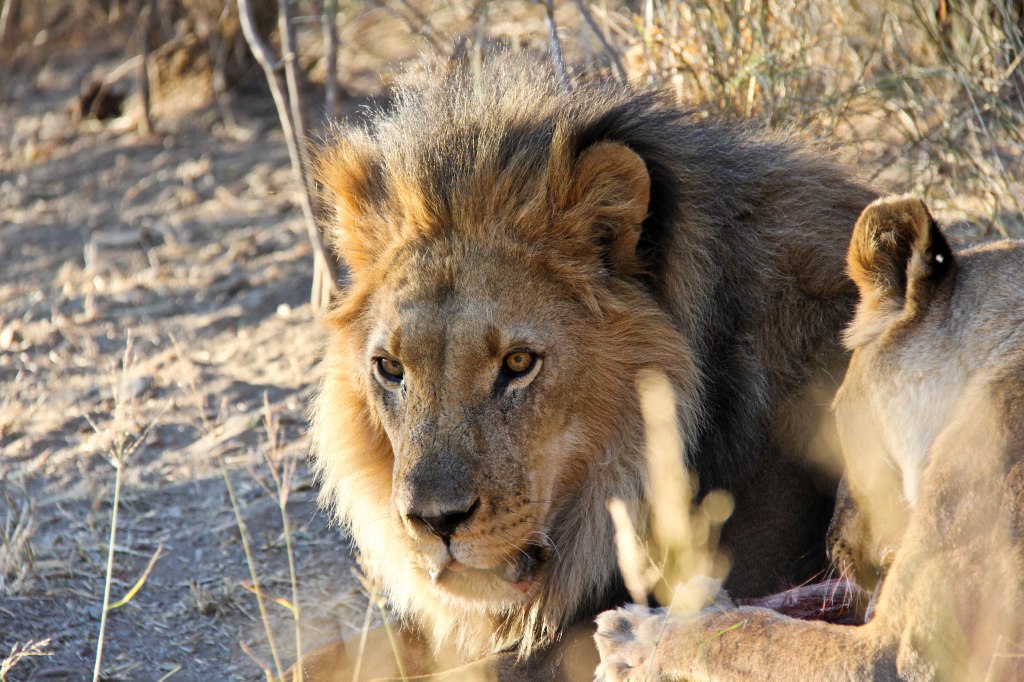
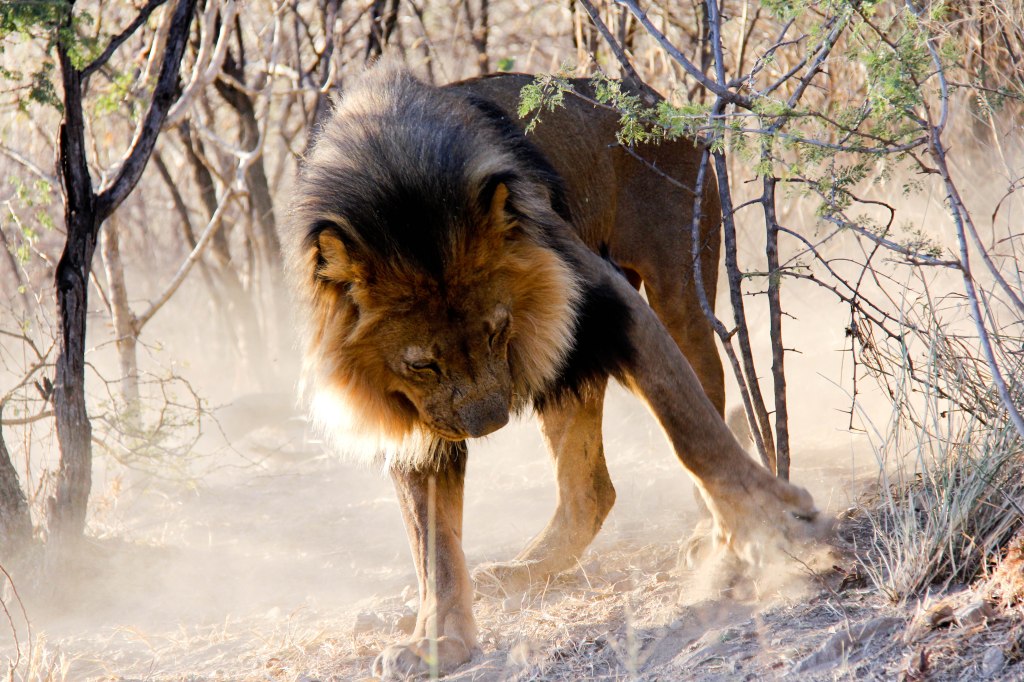
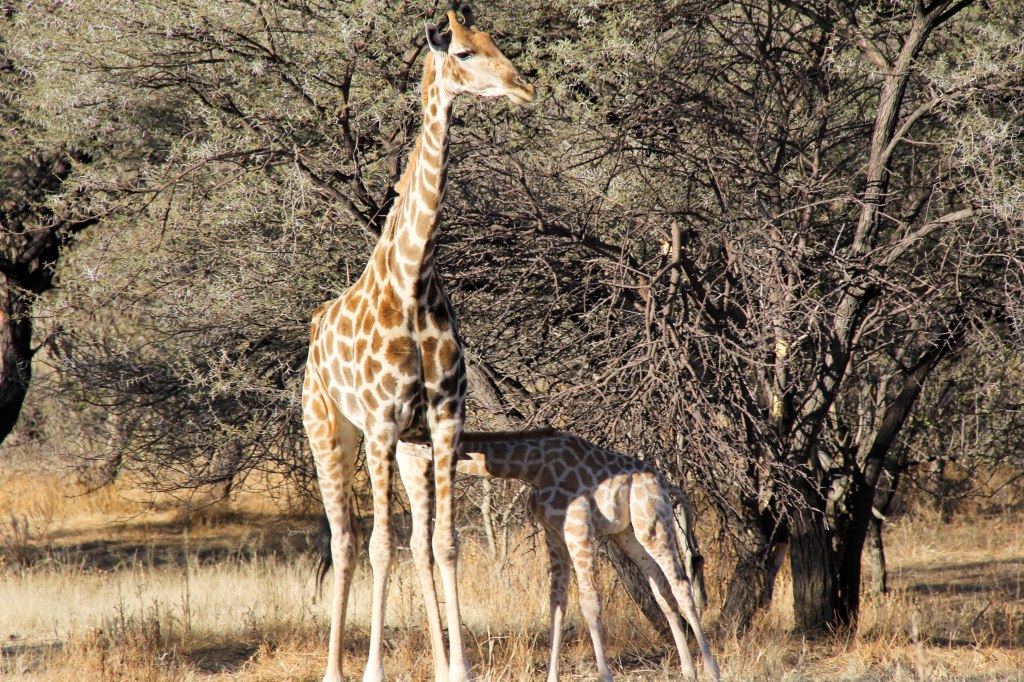
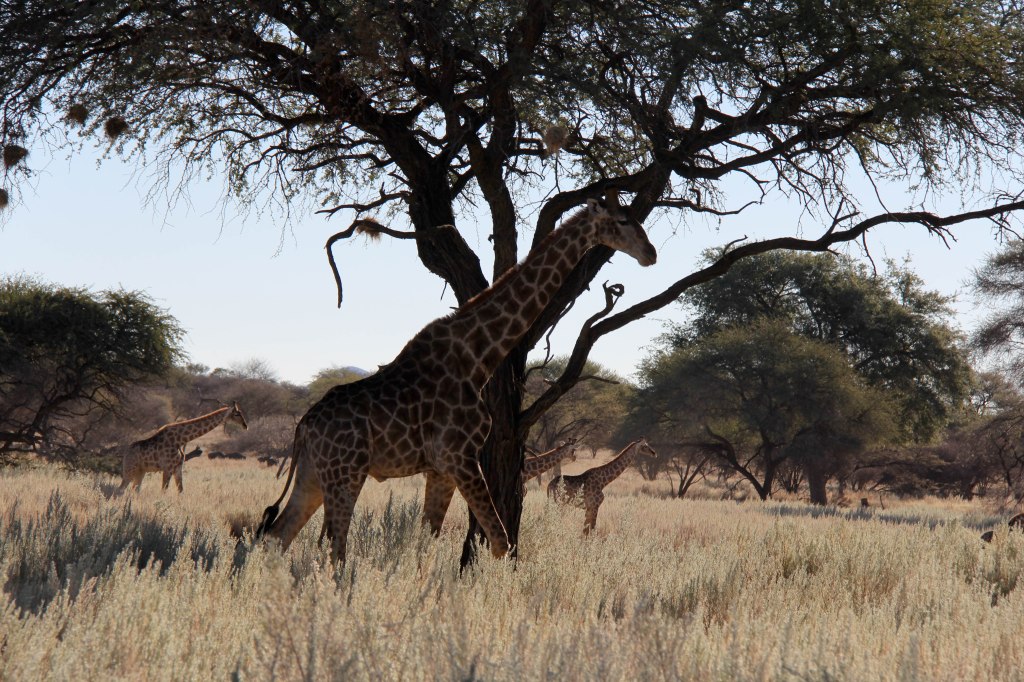
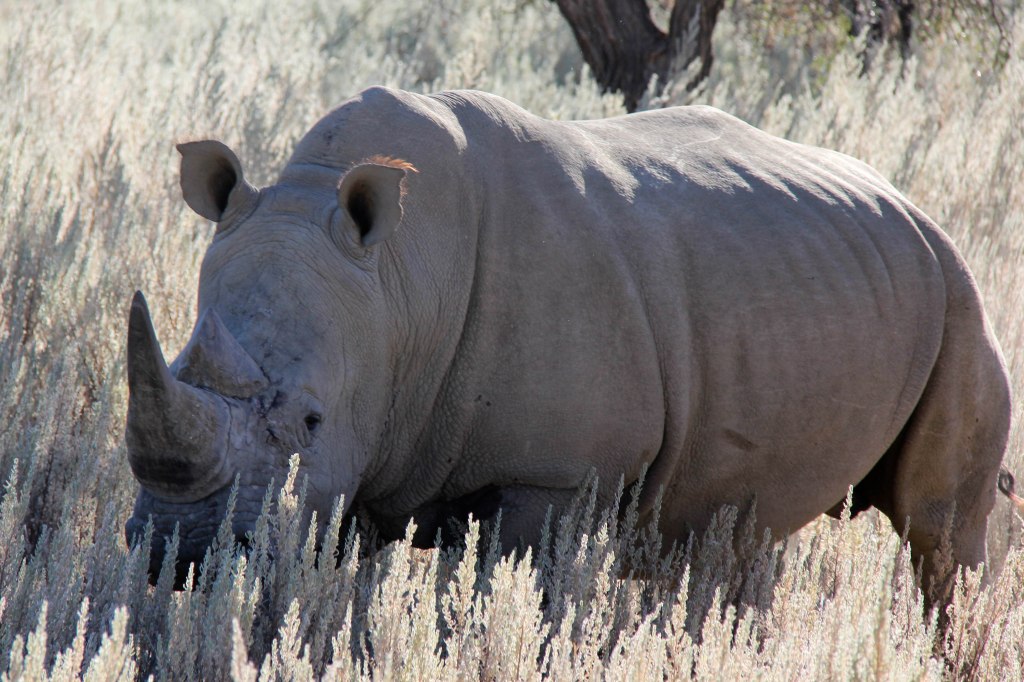
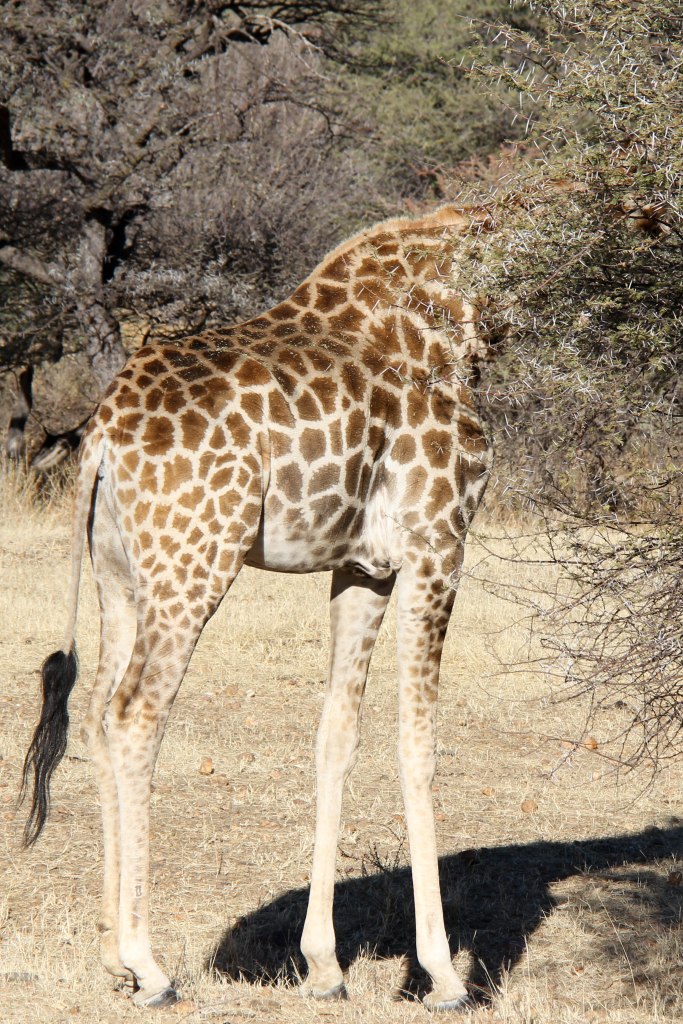
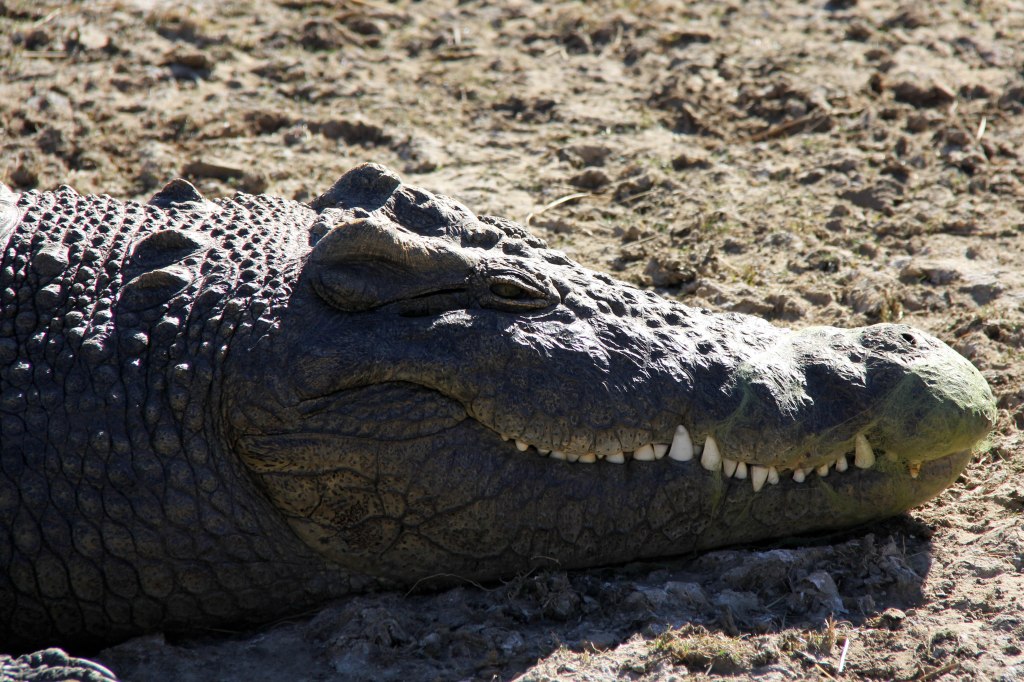
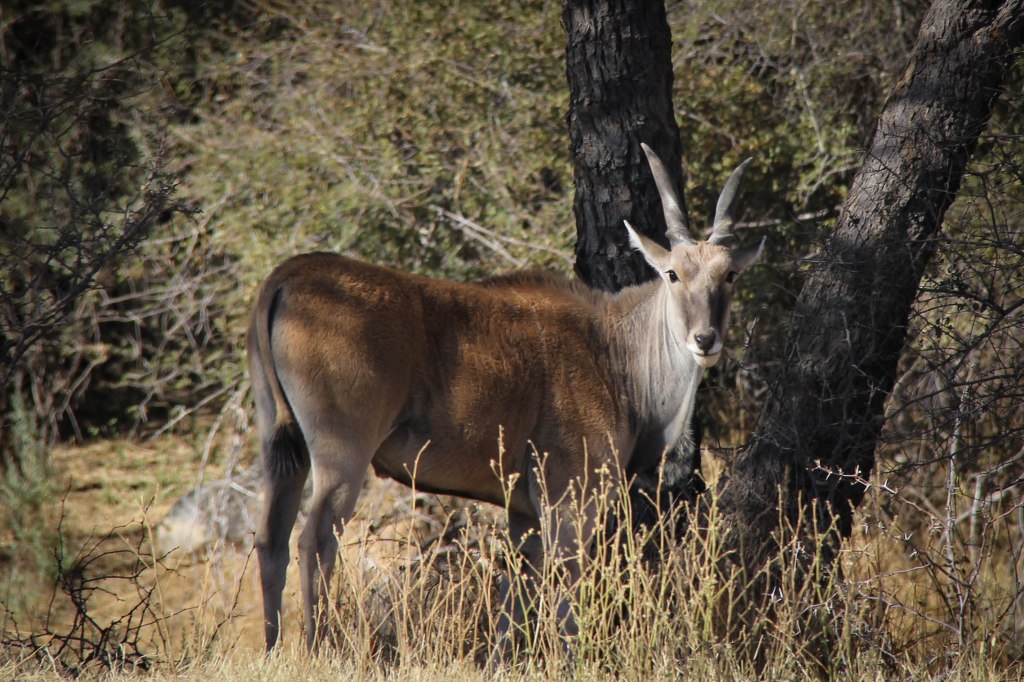
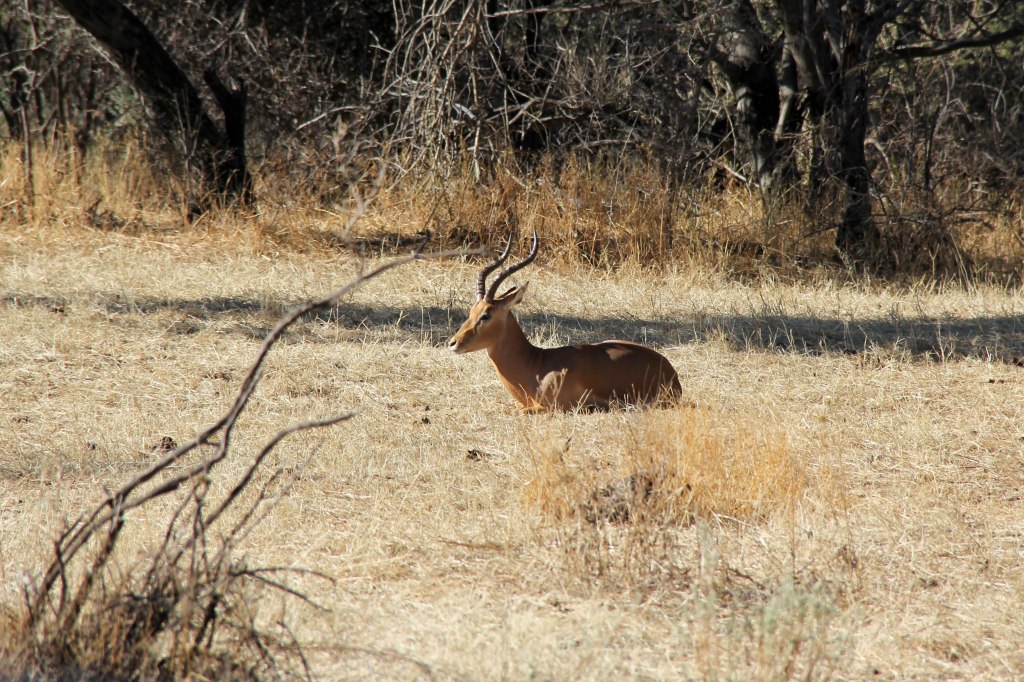
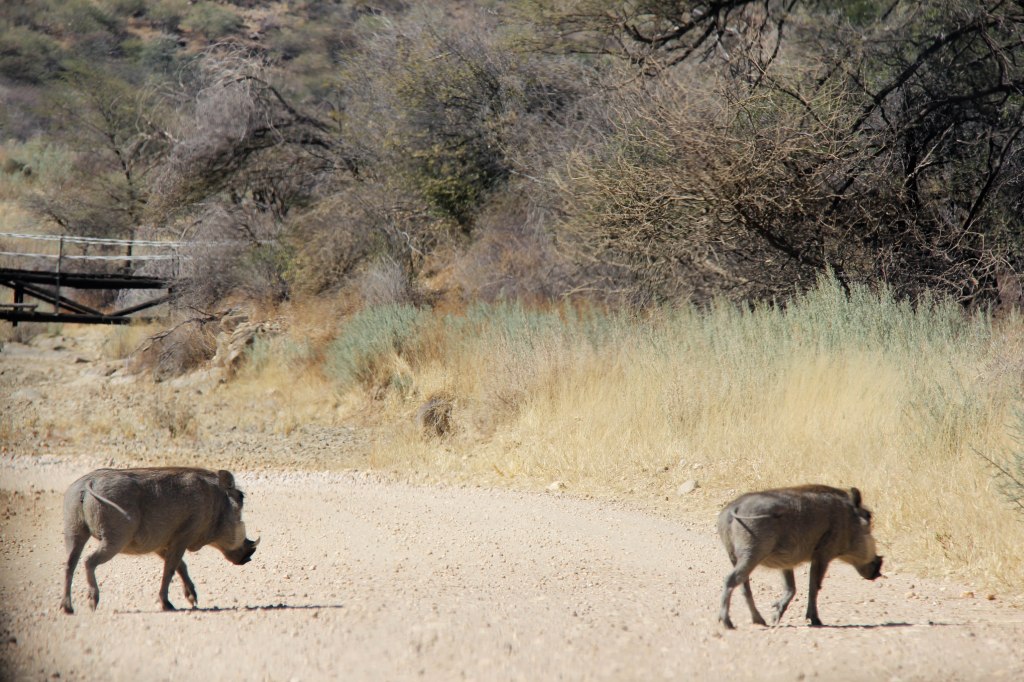
One day we went to Okapuka Lodge and went on a game drive. Here I finally saw some of the animals of Africa, including rhinos, giraffes, and warthogs. We also saw a lion. It was exciting, but I still had the desire to see more in a national park. I knew one day I would return to the African continent for more.

Katutura
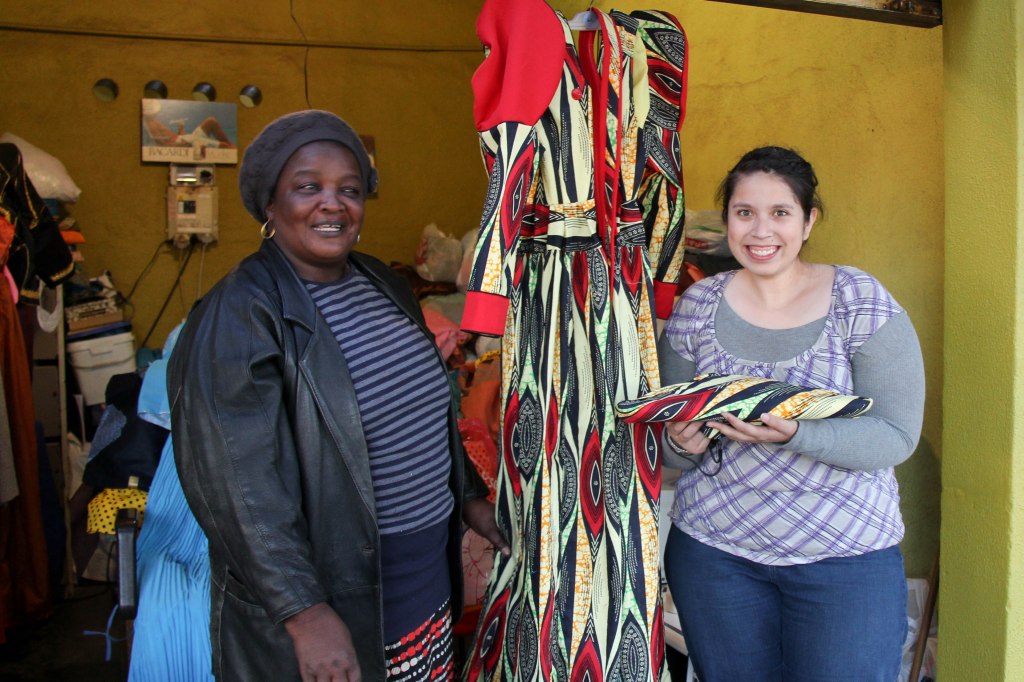
We also traveled to the Katutura township. Here they prepared biltong, popular in Namibia, which is a cured meat. Of course, I didn’t try it, but I did interact with some of the locals. We met a Heroro woman, which is another tribe in the area.

Goodbye, For Now
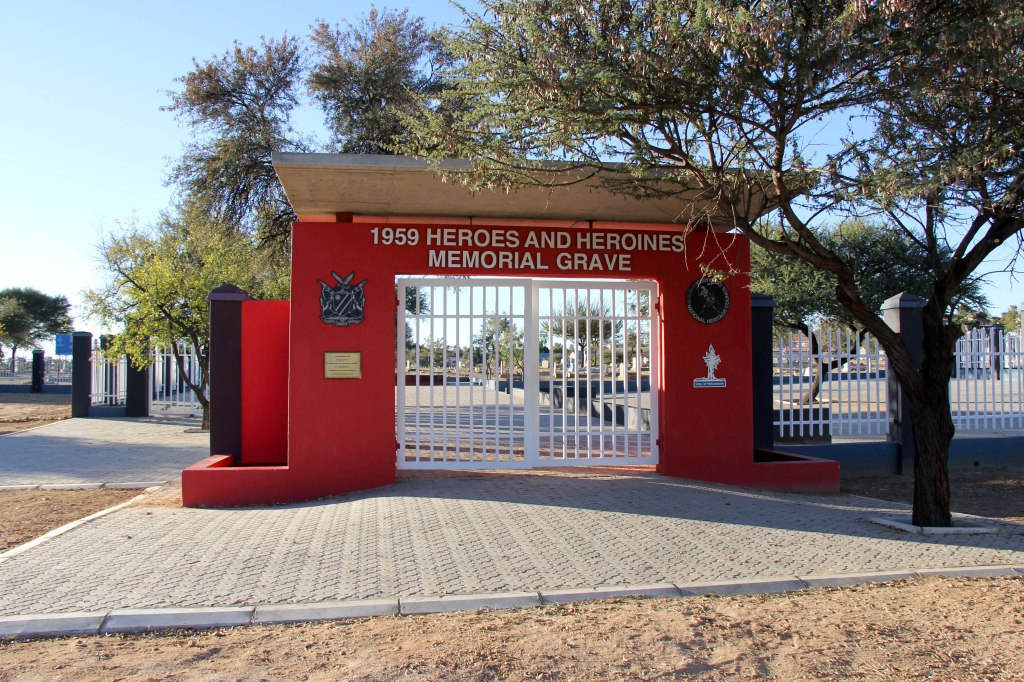
My time in Namibia had come to an end. I returned to Hosea Kutako International airport and made my journey home. I didn’t see some of the famous places like Etosha National Park or Sossusvlei, but I wouldn’t change anything about the experience I had. This trip was life changing and to this day I feel connected to the country of Namibia and its people.
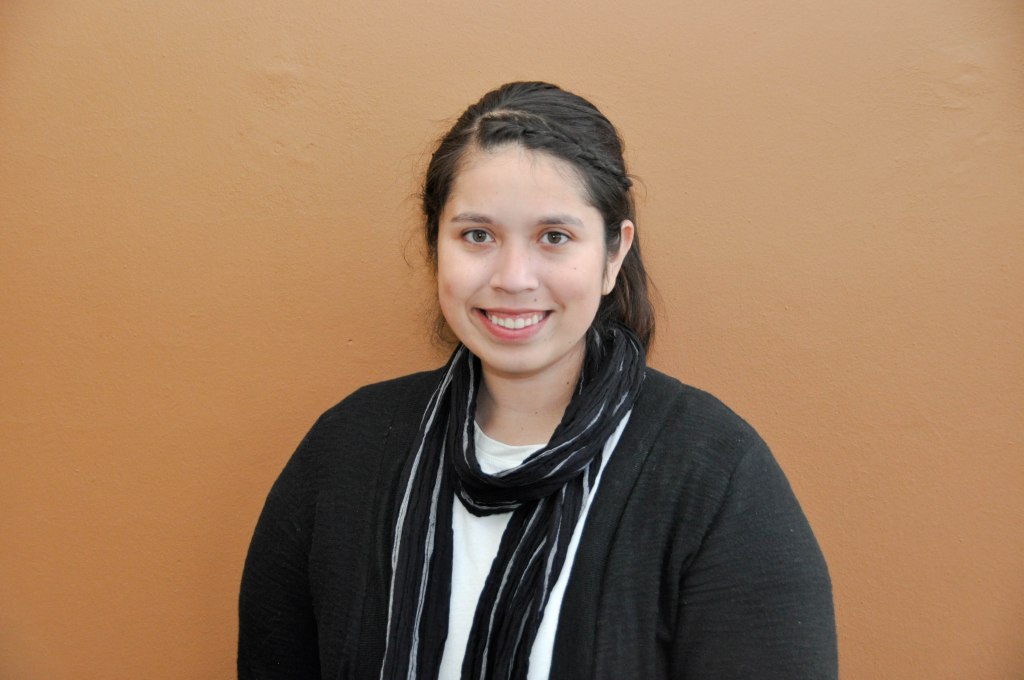
A young version of me after completing my month abroad.
 Adventures with Laura
Leave a comment